
Tirana Is Changing, Here Is How Local Businesses Can Win Without Losing Their Soul
SUMMARY FOR SKIMMERS
Tirana is quietly entering a new phase. More foreign residents are getting residence permits than in the past, and the growth rate has sped up a lot since 2020. That matters because long term residents buy differently than tourists. They need dentists, gyms, barbers, accountants, repair shops, nurseries, language schools, delivery, home services, and they come back if you treat them well. INSTAT’s count of foreign citizens with residence permits rose from 13,609 at the end of 2020 to 21,940 at the end of 2024, a jump of about 61%.
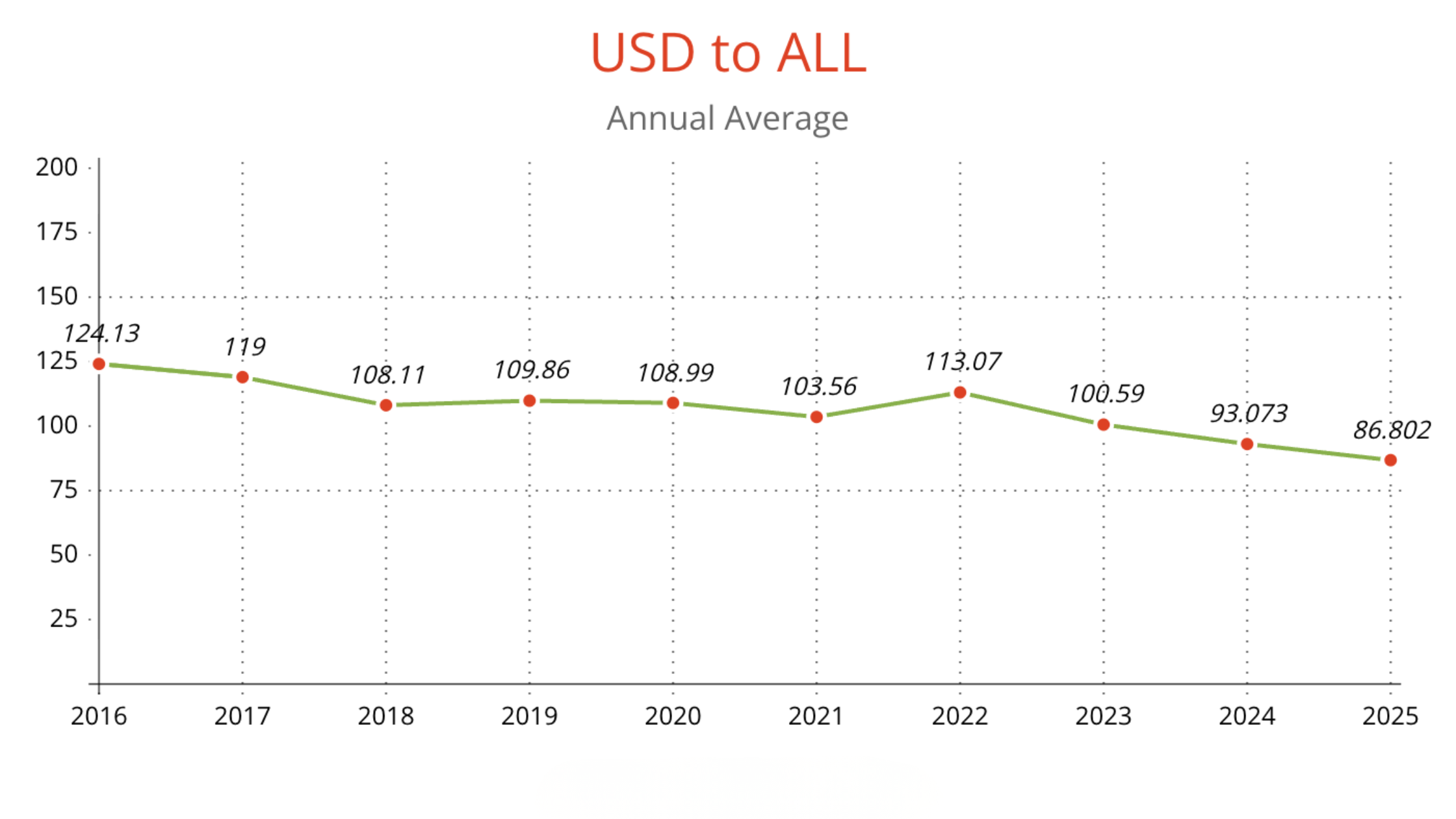
At the same time, the Albanian lek has strengthened hard versus the US dollar in recent years, which changes the math for everyone. Using annual average USD to ALL exchange rates, 1 USD averaged about 124.13 lek in 2016 and about 86.802 lek in 2025. That is roughly a 30% shift in a decade. Stronger lek is often linked to tourism growth, remittances, investment inflows, and central bank actions to manage appreciation pressure.
The opportunity for local businesses in Tirana is not “becoming more foreign.” It is learning to serve a changing mix of customers while keeping the heart of Albanian hospitality. The most underused growth lever is not fancy branding. It is basic reliability plus a real digital footprint across more than one platform, backed by customer service people actually feel. If you want help building that without turning your business into something sterile, you can work with me through grow-Albania.com. The goal is sustainable growth, not a salesy makeover.
Tirana’s quiet growth opportunity: the market is changing, even if your sign has not
When I moved to Albania from Fresno, California, I was not prepared for how much heart small businesses here carry. In Fresno, my world was big parking lots, chains, and people always in a hurry. In Tirana, I found places where the owner remembers your face, where a “yes” means they will figure it out, where hospitality is not a marketing line, it is culture.
That is the part that should never get lost.
But there is another truth sitting in plain sight. Tirana, Albania is gaining a different kind of customer over time: more long term foreign residents, more remote workers, more founders testing the city, and more families doing a multi year “let’s try Albania” chapter. And the businesses that grow the most in the next five years will be the ones that understand one simple idea:
A city does not need to become expensive to become better at serving people.
You can grow revenue, improve wages, and raise quality without turning Tirana into a theme park for outsiders. It just takes intention, and a few modern habits that do not kill the soul of a business.
Let’s talk about what the data suggests, what the lek is signaling, and what local businesses can do now.
The expat signal Albanians often overlook: residence permits are rising faster than before
People argue about “expats” because it is a fuzzy word. So here is a cleaner proxy: INSTAT tracks the number of foreign citizens with residence permits in Albania.
Here is the headline: the count has accelerated since 2020.
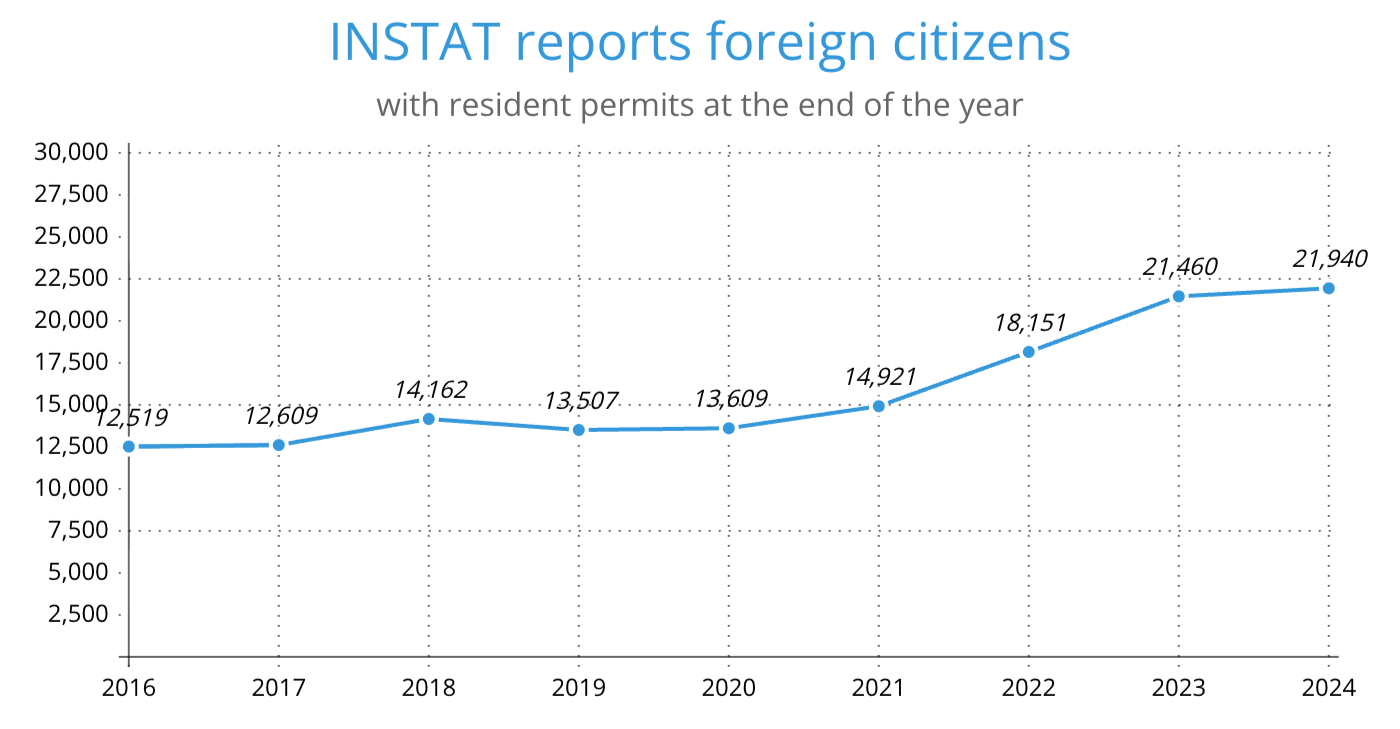
What matters is the tempo change.
From 2016 to 2020, that number rose from 12,519 to 13,609, roughly 9% total growth across that period.
From 2020 to 2024, it rose from 13,609 to 21,940, roughly 61% growth.
Even more simply: the “foreign resident” customer base is not just bigger, it is growing faster than it used to.
Two important notes, so we stay honest:
First, “residence permit holders” are not the entire expat population. Some people stay long term under different arrangements, and some rotate in and out.
Second, this is national data, not just Tirana. But Tirana is a magnet city, so local businesses here feel the shift early.
Now, why does this matter to a small business owner in Tirana?
Because long term residents behave differently than tourists.
Residents:
⦿ Need consistency.
⦿ Have routines.
⦿ Compare options.
⦿ Join gyms, pick a dentist, find a mechanic, buy furniture, learn where to get a haircut, and they tell their friends.
Tourists:
⦿ Tolerate friction.
⦿ Accept confusion.
⦿ Forgive a missing menu translation.
⦿ Will not fight about a receipt.
⦿ Leave in 4 days.
Residents are not just customers. They are repeat systems. They build your predictable revenue.
So if you run a cafe, a salon, a clinic, a repair shop, a small hotel, a tour company, a co working space, or any service business, this is not background noise. It is a market expansion.
And it is happening while many local businesses still treat “digital” as optional.
The lek is not just a currency, it is a pressure signal for business strategy. If you price in lek, pay staff in lek, and buy inputs partly in euros or dollars, the exchange rate is not abstract. It affects margins, salaries, and how foreigners perceive value.
A simple way to see the trend is USD to ALL annual average exchange rates. (Fewer lek per dollar means a stronger lek versus the USD.)
What that means in plain language:
On average, the dollar bought about 124 lek in 2016, and about 87 lek in 2025. That is roughly a 30% shift over the decade.
If you are thinking: “Okay, so what?”
Here is the business impact:
A stronger lek can make imports cheaper in lek terms, which can help some businesses.
A stronger lek can squeeze exporters or anyone earning in foreign currency but paying costs in lek, because foreign revenue converts into fewer lek.
For expats paid in USD, Albania feels less “cheap” than it did. That does not kill demand, it changes demand. People become more selective. They expect clearer value, better service, and less chaos.
Several institutions have tied the lek’s strength to inflows from tourism, remittances, foreign investment, and related pressures that the central bank has tried to manage. The IMF has also pointed to tourism’s rising role and the lek’s appreciation as part of Albania’s recent macro story.
And for a sense of “global position,” one analysis in 2023 noted the lek ranking near the top performers in Bloomberg’s spot performance list at that time.
Takeaway: whether the lek stays strong or not, volatility and shifts are likely. Your business becomes safer when you build a loyal base that returns because you are reliable, not just because you are cheap.
The most underutilized growth lever in Tirana: a real digital footprint, not a single page

Many Tirana businesses have social media. But a lot of them have one fragile thread holding everything: a single Instagram page, one Facebook page, or “just WhatsApp.”
That is not a strategy. That is a single point of failure.
Long term residents and expats search differently. They triangulate:
⦿ Google Maps
⦿ Reviews
⦿ TikTok
⦿ TripAdvisor (depending on category)
⦿ Booking platforms (for hospitality)
⦿ A website, even a simple one
⦿ A menu they can read
⦿ A way to book without guessing
If you want the growth without selling your soul, think “digital breadcrumb trail.” You are not trying to become Silicon Valley. You are trying to make it easy for a normal human to choose you.
A practical checklist that works in Tirana right now:
⧠ Google Business Profile: correct name, hours, location pin, phone, photos, and responses to reviews.
⧠ A simple website or landing page: services, prices or price ranges, how to book, where you are, and two languages (Albanian and English).
⧠ Social media on at least two platforms: if Instagram is your main, add TikTok or Facebook, but keep the basics consistent.
⧠ Menus and service lists that are readable: not just a photo of a menu board.
⧠ Online booking or at least clear booking instructions: “DM us” is not enough for people who want certainty.
⧠ Photos that show the experience: not only “a coffee,” show seating, vibe, lighting, staff, and context.
This is not about looking fancy. It is about reducing friction.
Friction is the silent killer of small business growth. People do not complain, they just go somewhere else.
Customer service:
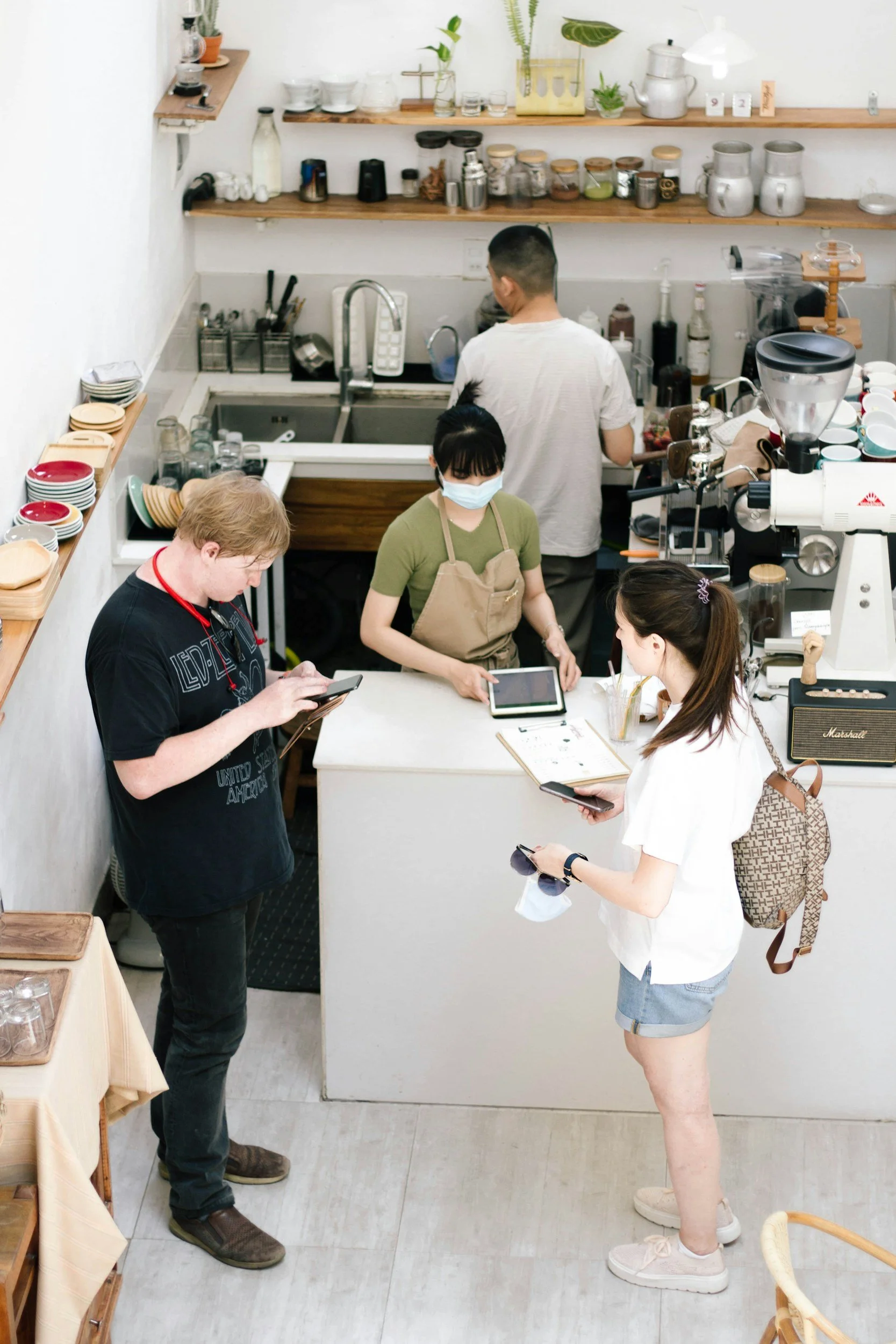
Customer service is not fake smiles, it is operational discipline. “Customer service” in Albania sometimes gets misunderstood as “acting American.” No. The best version of customer service is simply: clarity, consistency, respect, and recovery when things go wrong.
A customer service centered approach that still feels Albanian might look like this:
⦿ Greet people quickly, even if you are busy. A nod counts.
⦿ Explain timelines honestly. If it will take 30 minutes, say 30, not 10.
⦿ Be transparent about pricing. Surprises create distrust.
⦿ Train staff on common questions in simple English. Not perfect English, useful English.
⦿ Handle mistakes with dignity. Replace the wrong item, fix the bill, apologize once, move on.
⦿ Treat locals and foreigners with the same respect. Different service tiers are fine, but do not do secret “foreigner pricing.”
Service becomes a competitive advantage when it is built into the system, not dependent on one friendly employee.
And here is the secret: systems are scalable. Personality is not.
If you want growth, build systems.
Growth patterns that small businesses in Tirana can capitalize on now:
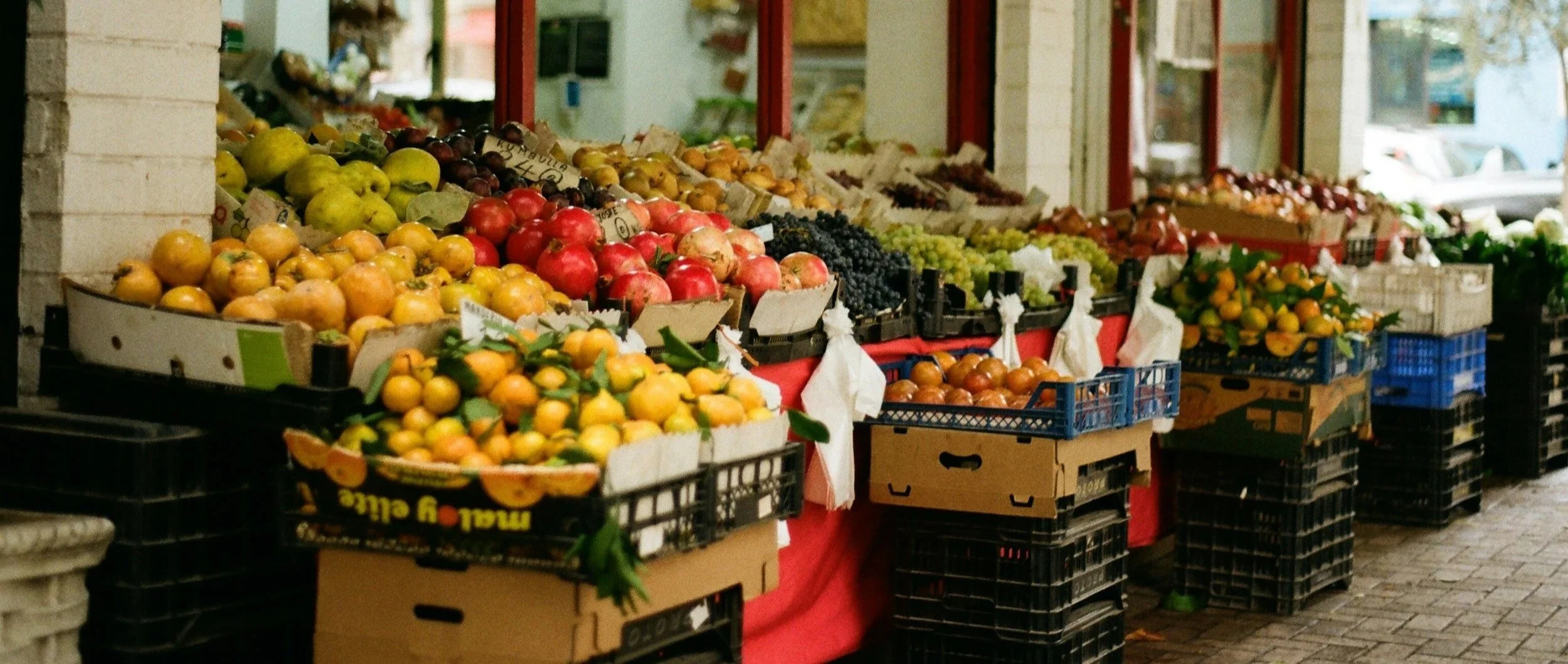
Let’s get specific. Where is the under tapped demand likely to show up as more long term foreigners arrive, and as locals demand higher standards too?
Home and life infrastructure:
⦿ These are the “I live here now” needs:
⦿ Cleaning services with scheduling, receipts, and consistency
⦿ Repairs and maintenance, especially trustworthy electricians and plumbers
⦿ Furniture and home setup support
⦿ Moving help and storage
⦿ Property management that is professional and transparent
Health, wellness, and personal services:
⦿ Residents spend here repeatedly:
⦿ Dentistry, clinics, physiotherapy
⦿ Gyms, yoga, pilates, martial arts
⦿ Barbers and salons with predictable quality
⦿ Nutrition coaching and specialty food
Education and family:
⦿ Tirana is attracting more families and couples:
⦿ Language schools (both directions, English for Albanians, Albanian for foreigners)
⦿ Child activities, sports, tutoring
⦿ Daycare and early learning support (where legal and appropriate)
Work and productivity:
⦿ Remote work is not just a trend, it is a lifestyle:
⦿ Coworking with stable internet and clear day passes
⦿ Printing, shipping, business services
⦿ Accountants and legal services that can communicate clearly
Experiences that are not tourist traps:
⦿ Long term residents still want discovery:
⦿ Neighborhood food tours
⦿ Seasonal events
⦿ Workshops (cooking, crafts, hiking groups)
⦿ Community spaces that feel local, not staged
Notice the theme: these categories reward trust and repeat visits.
If you are already in one of these spaces, you do not need to reinvent your business. You need to remove friction, standardize quality, and tell the story clearly online.
The “Luddite to modern” bridge: modernize the system, protect the soul

A lot of Albanian businesses are proudly old school. Sometimes that is a strength. People love places that feel real.
The goal is not to erase that. The goal is to modernize the parts that customers hate, while preserving the parts they love.
Modernize:
⦿ Booking and scheduling
⦿ Payment options (including card where possible)
⦿ Pricing transparency
⦿ Digital presence
⦿ Staff training basics
⦿ Receipts and clear policies
Preserve:
⦿ Warmth and human interaction
⦿ Flexibility and creativity
⦿ Local design and identity
⦿ The sense of community
⦿ The food, the music, the vibe, the normal life feeling
You are not “selling out” by letting people book a table online. You are respecting their time.
In a city like Tirana, respect is the premium product. People pay for feeling safe, understood, and welcome.
Ethical growth: how to welcome expat money without pricing out locals or underpaying them
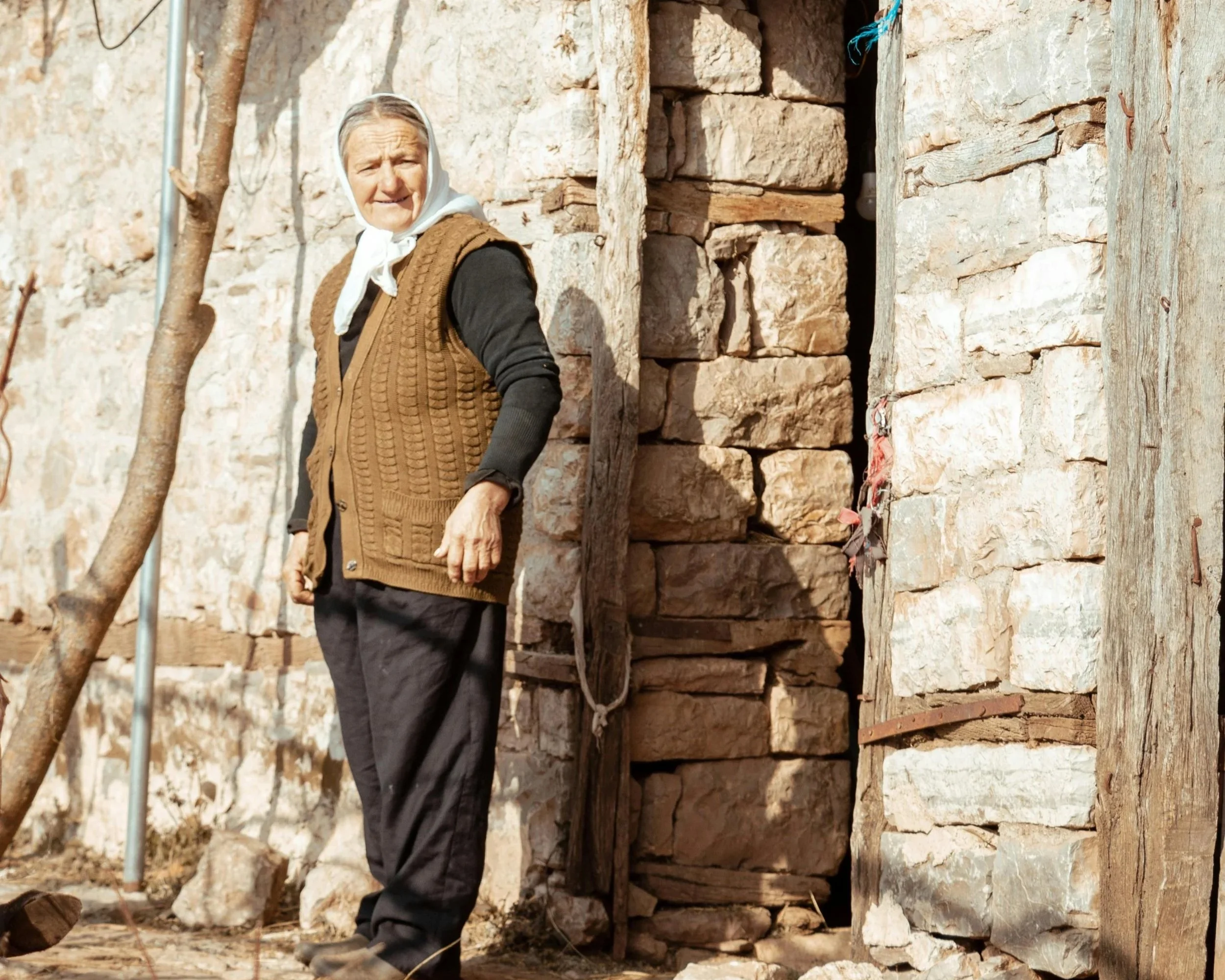
This is where things get serious, because the risk is real.
Expat demand can bring investment, jobs, and higher standards. It can also distort rents, push out locals, and create resentment. And if businesses chase profit the lazy way, by underpaying staff while raising prices, the whole ecosystem gets uglier.
So what is an ethical playbook for small businesses in Tirana?
Price ethically, with transparency
⦿ If you need higher prices, explain the value and improve the experience.
⦿ Offer tiered options based on service level, not nationality.
Ex: standard haircut vs premium haircut, not “local price vs foreign price.”
⦿ Keep at least one accessible option for locals. A lunch menu, off peak pricing, loyalty cards, neighborhood discounts, something real.
Pay and train fairly
⦿ If you are growing because demand is growing, wages should not stay frozen.
⦿ Invest in staff training and give people a path. A trained staff member who stays is worth more than constant hiring.
Buy local when you can
⦿ Use local suppliers, local craftspeople, local partnerships. That keeps money circulating inside Albania.
Avoid “extractive” shortcuts
⦿ Do not chase growth by cutting corners, ignoring labor protections, or pushing people into informal arrangements that harm them.
⦿ Do not copy models that turn cities into Airbnb factories. Even if you are not in real estate, support local housing stability where you can.
Build community, not a bubble
⦿ Host events that include Albanians and foreigners together.
⦿ Hire bilingual staff and let them be cultural bridges, not servants.
⦿ Tell customers how to behave respectfully in your space. People appreciate guidance.
A business that grows ethically tends to last longer, because it earns social permission to exist.
What the next five years could look like, and how to prepare without guessing
We cannot predict the exact number of expats in Tirana in 2030. But we can do something smarter than guessing: build scenarios anchored to what we already see.
INSTAT’s residence permit count rose from 13,609 in 2020 to 21,940 in 2024. That pace is much faster than the 2016 to 2020 period.
So here is a simple scenario view for foreign residents with permits nationally, using 2024 as the latest anchor:
⦿ Conservative scenario: growth slows, permits reach around 28,000 within five years.
⦿ Base scenario: growth moderates but stays strong, permits reach around 35,000 within five years.
⦿ High growth scenario: growth stays hot, permits reach 44,000 plus within five years.
Those are not promises. They are planning ranges.
The point for a Tirana entrepreneur is simpler:
If the customer base is likely to grow, build the systems now while competition is still catching up.
A simple action plan for Tirana business owners, 30 days, not someday
If you want a practical starting line, here is a focused month:
Week 1: Fix your findability
⦿ Claim and update Google Business Profile.
⦿ Add 15 real photos.
⦿ Write a short description in Albanian and English.
⦿ Make sure your hours are correct.
Week 2: Make your offer obvious
⦿ Create a clean service list or menu in two languages.
⦿ Add price ranges.
⦿ Write booking steps like you are explaining to someone new in the city.
Week 3: Build your second platform
⦿ If you are only on Instagram, add TikTok or Facebook.
⦿ Post three simple videos: who you are, what you sell, how to find you.
⦿ Pin the basics.
Week 4: Improve the human system
⦿ Train staff on five core phrases and five core service standards.
⦿ Decide how you handle complaints and mistakes.
⦿ Add a simple follow up habit: “Did everything look good today?”
That is it. Not glamorous, but powerful.
Closing: growth is coming, but you get to choose what kind
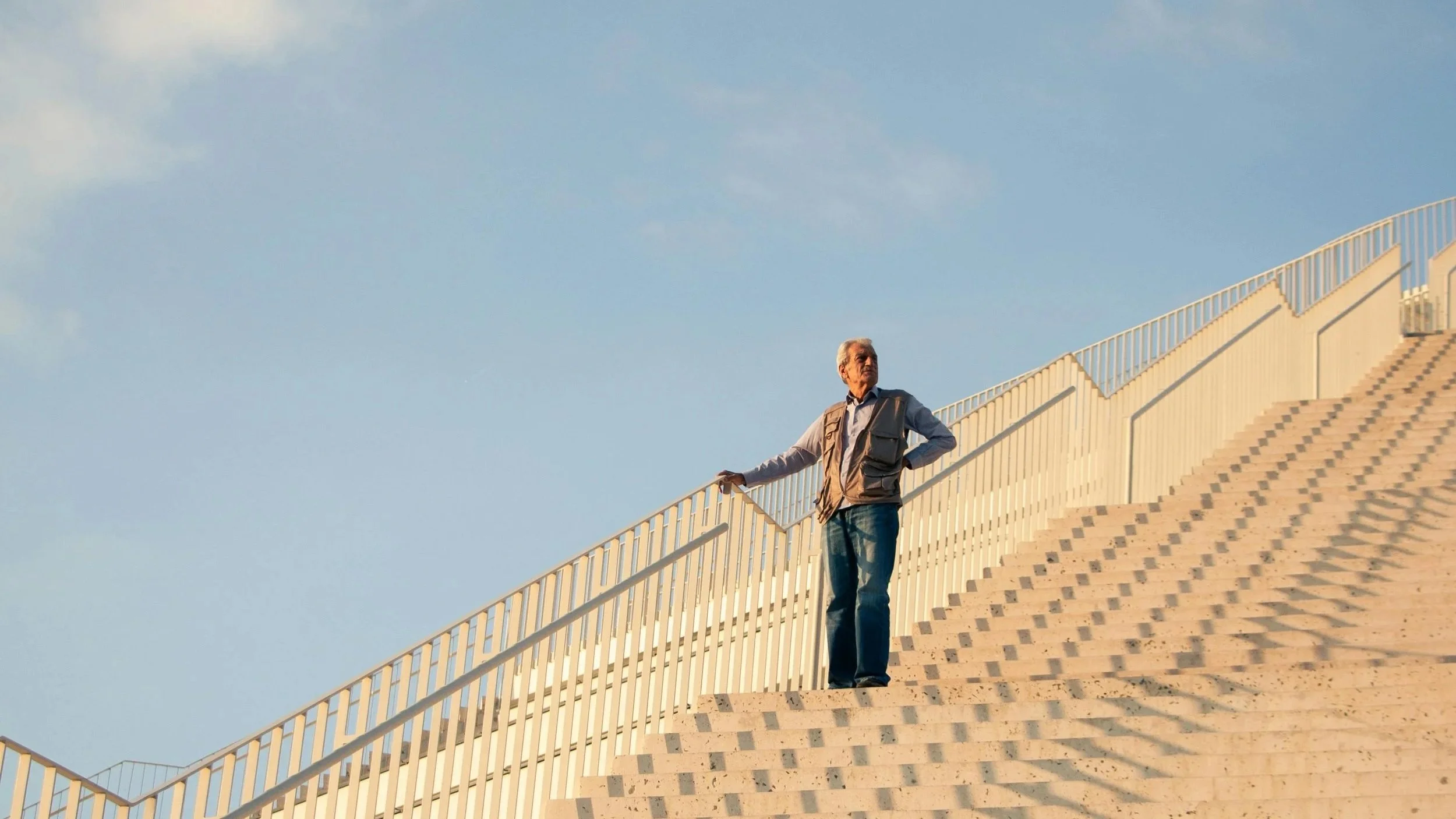
Tirana is not “becoming something else.” It is becoming more visible to the world, and the world is showing up with wallets, expectations, and habits.
Local businesses have a choice: Wait and complain about change. Or shape the change, ethically, with better systems, stronger service, and a digital presence that makes it easy to choose you.
I am rooting for the version where Tirana grows up without losing its charm.
If you want a second set of eyes on your business, pricing, digital presence, or customer journey, I do consulting through my business. No gimmicks, just practical work to help you grow in a way that still feels like you. (And if you are not ready for consulting, use this article as a checklist and start with one week.)